The year 2026 marks a significant turning point in how homeowners protect their most valuable assets from silent destroyers. Advances in biotechnology and remote sensing have revolutionized the way we approach pest control. Protecting a structure requires more than just reactive measures; it demands a proactive and scientific strategy.
Staying ahead of wood-boring insects involves understanding new chemical barriers and biological interventions. Modern termite treatment has shifted toward sustainability and precision, ensuring that the surrounding ecosystem remains unharmed.
Scientific breakthroughs have allowed for the development of smart materials that integrate directly into the building envelope. These materials act as a permanent deterrent, making it nearly impossible for colonies to establish a foothold. As we move deeper into the decade, the integration of artificial intelligence in pest tracking is becoming the new standard for residential safety.
Assessing Modern Liquid Barriers
Traditional chemical barriers have seen a complete overhaul in recent years. Modern liquid solutions now use non-repellent formulas that insects cannot detect as they pass through treated soil. This ensures that the colony unknowingly carries the substance back to their central nesting site.
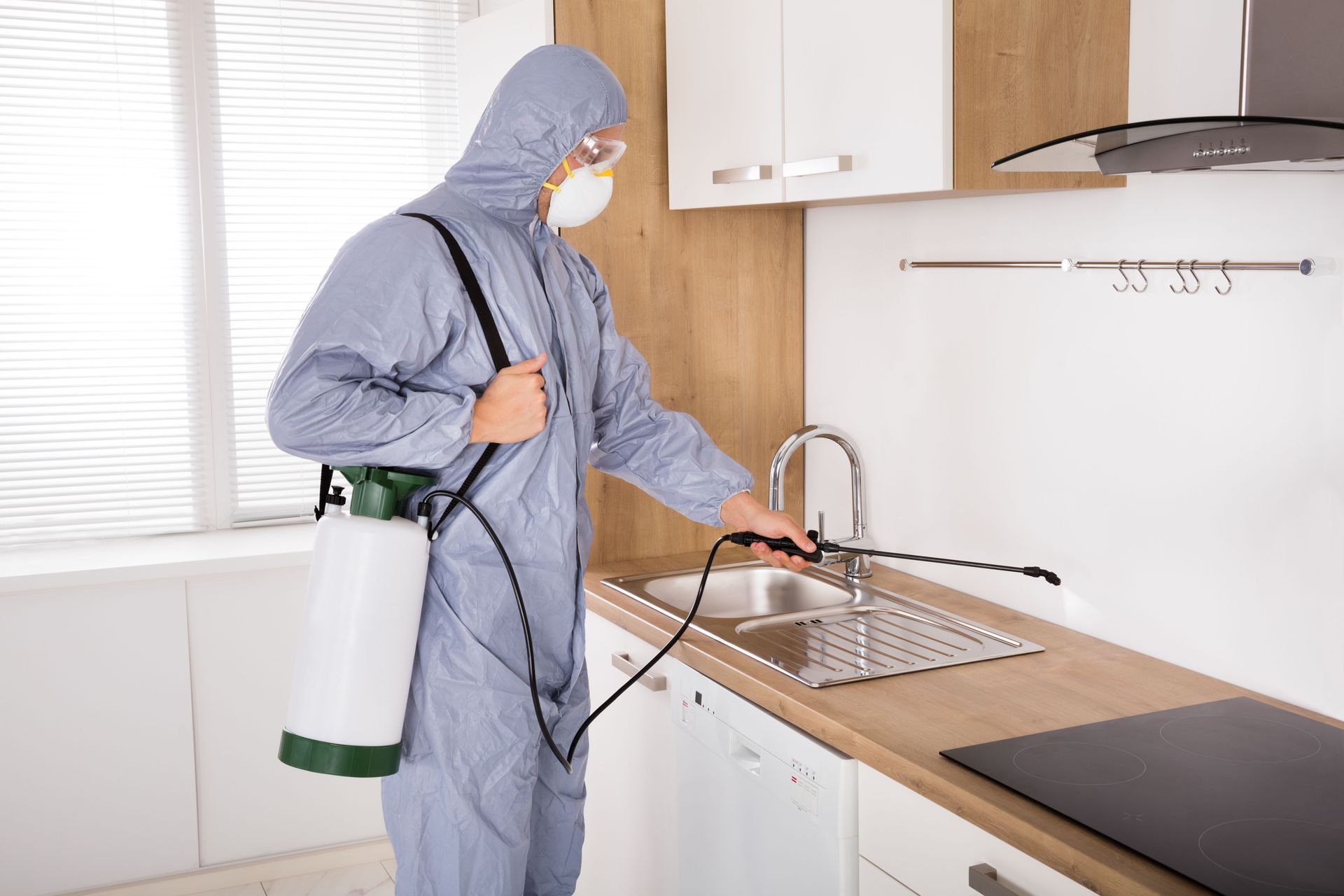
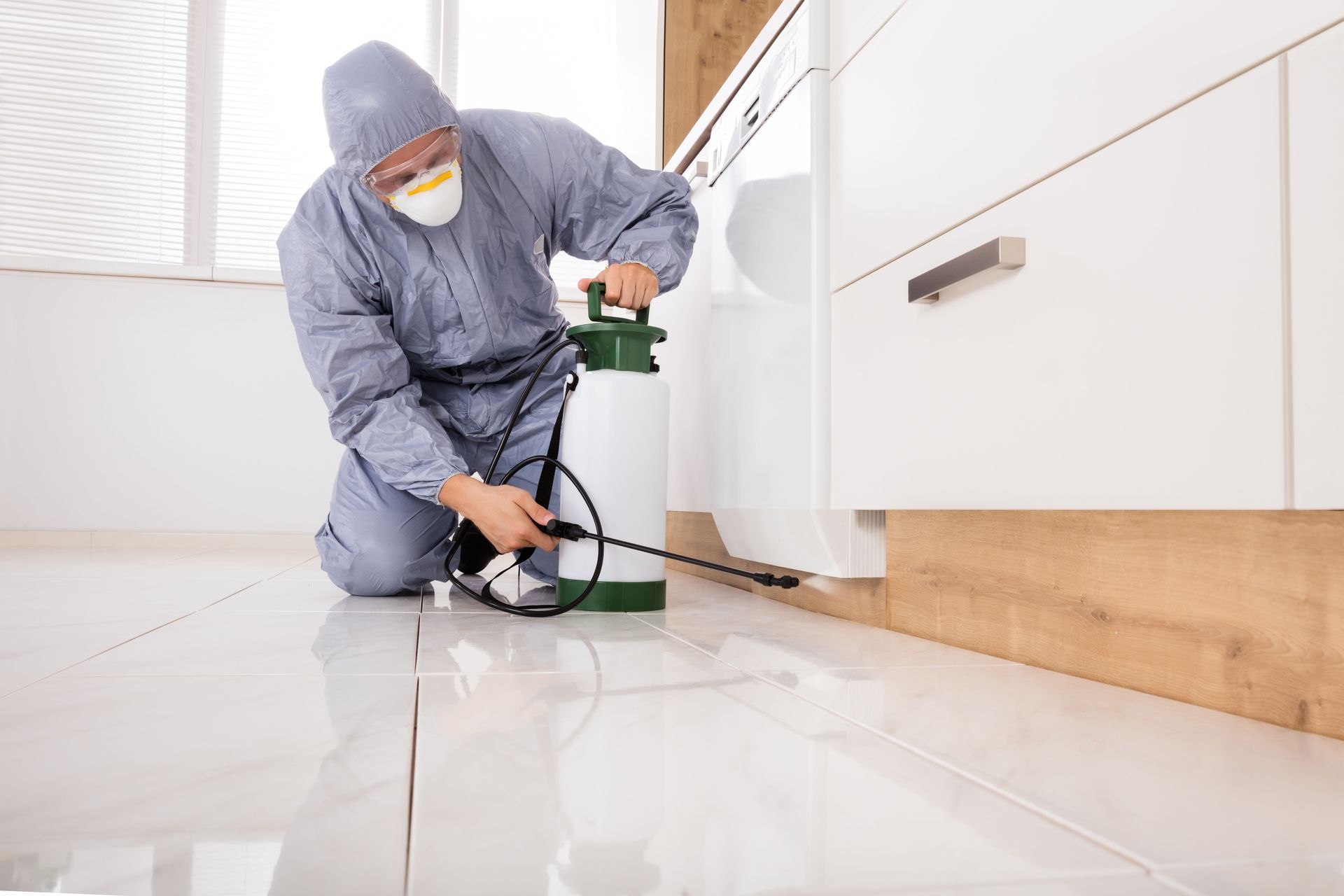
Application techniques have also become more precise through high-pressure injection systems. These tools allow technicians to reach deep into the foundation without extensive drilling or disruption. A high-quality termite treatment ensures that every potential entry point is effectively sealed against subterranean threats.
The soil surrounding a home acts as a critical buffer zone. Professionals now use digital flow meters to ensure that the exact amount of product is applied to every linear foot of the perimeter.
Modern liquids are designed to bind tightly to soil particles, preventing leaching during heavy rain cycles. This stability is essential for maintaining long-term protection in regions prone to flooding or high groundwater. Homeowners can rest easy knowing the barrier remains intact even under harsh environmental conditions.
Implementing Smart Baiting Systems
Baiting technology has transitioned from passive wooden stakes to active monitoring stations equipped with digital sensors. These sensors alert professionals the moment activity is detected, allowing for immediate intervention. This data-driven approach reduces the need for broad-spectrum chemical applications across the entire lawn.
Homeowners often prefer these systems because of their low profile and high efficiency. Modern baiting offers several distinct advantages for long-term protection:
- Continuous monitoring of colony movement patterns.
- Minimal disruption to landscaping and garden beds.
- Targeted delivery of growth regulators to the colony.
- Reduced environmental impact compared to older methods.
- Real-time data logging for professional analysis.
- Rapid elimination of the queen and reproductive center.
The process of baiting relies on the social nature of the pests. Workers find the bait, consume the active growth inhibitors, and share the material with the rest of the group. Over time, the entire population collapses because the younger generation cannot successfully molt or mature.
This method is particularly effective for large properties where a continuous liquid trench might be difficult to maintain. By placing stations at strategic intervals, technicians create a ring of protection that intercepts foragers before they ever reach the foundation. It is a proactive way to manage the termite treatment process without invasive digging.
Utilizing Thermal Imaging Detection
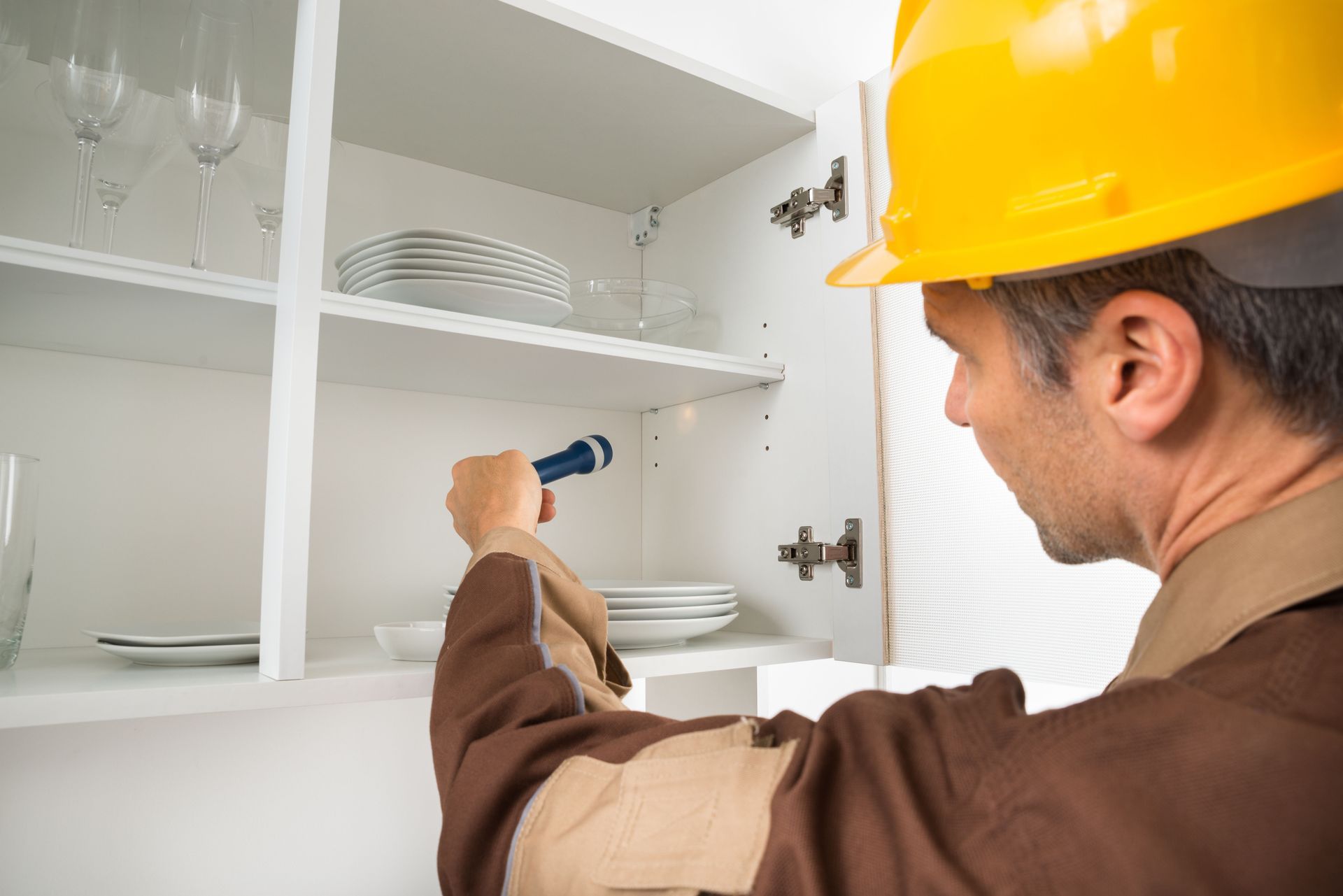
Detection is the first line of defense in any successful termite treatment plan. Infrared cameras now allow inspectors to see heat signatures behind walls where pests may be nesting.
Identifying the exact location of a colony prevents unnecessary damage to drywall or structural beams. By using thermal technology, experts can pinpoint the "heart" of the infestation. This leads to a faster resolution and lower repair costs over the lifespan of the property.
High-resolution imaging provides a visual map of the activity inside the timber itself. This allows for a surgical application of products rather than a generalized approach. Homeowners can see the results on a digital screen, providing total transparency during the inspection process.
A comprehensive inspection using these tools often uncovers hidden leaks or insulation gaps. Addressing these secondary issues further strengthens the home against future attacks
The use of acoustic sensors is another tool often paired with thermal imaging. These devices pick up the vibrations of soldiers clicking their heads against the wood to signal danger.
Exploring Biological Control Agents
Science has introduced beneficial fungi and bacteria that specifically target the digestive systems of wood-destroying organisms. These biological agents are harmless to humans, pets, and beneficial garden insects like bees. This shift toward "green" chemistry is a cornerstone of termite treatment in the current era.
These biological solutions work by spreading through the social grooming habits of the colony. Once the agent is introduced, it moves rapidly from one insect to another.
Environmentally conscious homeowners appreciate this natural approach to pest management. Some of the benefits of biological controls include:
- Species-specific targeting that protects local wildlife.
- Long-term presence within the soil or wood structure.
- Resistance-proof mechanisms that do not rely on toxins.
- Safe application near water sources or vegetable gardens.
- Compatibility with organic gardening standards.
As researchers continue to decode the genetic makeup of these pests, biological controls will become even more common. These methods represent the future of sustainable property maintenance.
Future developments may include the use of pheromone disruption. By flooding an area with specific scents, professionals can prevent the insects from communicating or finding mates.
Reviewing Structural Damage Statistics
Understanding the scale of the threat is essential for any homeowner considering professional prevention. According to the National Pest Management Association (NPMA), termites cause an estimated $6.8 billion in property damage annually. This staggering figure highlights why waiting for visible signs of an infestation is often a costly mistake.
Because most of this damage happens out of sight, insurance policies rarely cover the full cost of repairs. Investing in a consistent termite treatment schedule is the only way to mitigate this massive financial risk.
The financial impact extends beyond just the cost of wood replacement. Home values can plummet if a history of untreated activity is discovered during a real estate transaction. Buyers in the current market demand proof of professional protection before signing a contract.
Documentation of regular service acts as a safety net for the equity in your home. It proves that the structure has been maintained to the highest standards. Without this history, a property owner is left vulnerable to the massive costs associated with structural restoration and pest eradication.
Many homeowners assume that brick or stone homes are safe from attack. However, the internal framing is almost always made of wood. These pests can navigate through tiny cracks in the mortar or foundation to reach the appetizing timber hidden behind the exterior facade.
Advancing Preventive Construction Standards
New homes built in 2026 often include physical barriers integrated directly into the foundation. These stainless-steel meshes and specialized sealants prevent insects from finding even the smallest cracks in the concrete. When combined with a chemical termite treatment, these barriers provide a dual layer of defense.
Architects now prioritize "termite-smart" designs that reduce wood-to-soil contact and improve ventilation. Proper drainage systems are also vital, as they keep the foundation dry and less attractive to pests. Modern prevention involves a holistic view of the home, including:
- Installation of physical shields during the framing phase.
- Application of borate-based wood preservatives to raw timber.
- Creation of clear inspection zones around the perimeter.
- Selection of naturally resistant building materials.
- Integration of smart sensors into the building envelope.
- Proper grading of soil to direct water away from the home.
These construction standards represent a shift in how we view the longevity of our buildings. By incorporating protection at the start, we reduce the burden on future owners. However, even the best-built home requires ongoing vigilance and professional expertise to remain secure over the decades.
The use of pressure-treated lumber in critical areas is a standard practice that has saved countless homes. Modern treatments for this wood are more effective and safer for the environment than the options available in previous decades. It is a vital component of a comprehensive defense strategy.
Do not wait for structural failure to protect your home from these expensive pests. Contact Eliminite Termite Services today to schedule a comprehensive inspection and secure your property against future infestations.