By Barry O'Gorman | December 17, 2025
December 17, 2025
Understanding these zones allows homeowners to take preventive measures that protect structural integrity and reduce costly damage. Termites are far more than a nuisance; they are a significant threat capable of weakening major structural components long before visible signs appear. According to Orkin, termites cause damage to both residential structures and agricultural crops, with total damage estimated at $30 billion annually. Identifying high-risk sites around the home and learning how termites behave provides a strong foundation for prevention. Many homeowners also benefit from pairing good maintenance habits with safe termite control practices to strengthen long-term protection.
1. Foundation and Basement
The foundation and basement form the structural core of a home, making them especially vulnerable to termite damage. Concrete basement walls may appear secure, but even the smallest cracks can serve as entry points. Moisture in basements further attracts termites, especially subterranean species that depend on damp environments. When the foundation is compromised, homeowners may notice doors sticking, uneven flooring, or windows that no longer open properly. These early warning signs should not be ignored because structural shifts often indicate deeper termite activity.
Subterranean termites are the most common species affecting foundations. They build extensive tunnel systems through soil and enter through cracks or gaps in the concrete. Drywood termites may appear occasionally, though they typically infest higher areas. Subterranean colonies are large and highly destructive, making early detection crucial. Understanding how termites use soil and moisture to access homes helps homeowners develop better prevention strategies and select professional services when needed.
Signs of infestation in basements include mud tubes along walls, hollow-sounding wood, blistering paint, or bubbling floor surfaces. Discarded termite wings near windows or lights often indicate an active or developing colony. Frass, which resembles sawdust or coffee grounds, may also appear near wall cracks or wood beams. Because basements are frequently used for storage, termites may remain undetected for long periods if homeowners do not conduct regular inspections.
Preventive measures include sealing foundation cracks, redirecting water away from the home, and maintaining proper drainage. Keeping gutters and downspouts clear reduces moisture around the foundation and makes the area less appealing to termites. Installing metal mesh barriers or treated physical barriers can further discourage entry. Many homeowners incorporate routine professional inspections to identify vulnerabilities and maintain an active line of defense through safe termite control treatments.
Treatment options for infested basements often include liquid termiticides, which create protective chemical barriers, or bait systems, which target colonies directly. Foam treatments may be used in wall voids where tunnels are present. Severe infestations can require fumigation to ensure full elimination. In cases where termites cause structural damage, replacement of affected wood may be necessary. Professional evaluation ensures that treatments are applied correctly and monitored for effectiveness.
2. Wooden Structures and Indoor Furniture
Wood is the primary food source for termites, making indoor wooden structures and furniture some of the most vulnerable areas in a home. Beams, flooring, trim, and framing are all susceptible, especially if moisture is present. Wood that touches the ground is at especially high risk. Over time, termites hollow out the interior, leaving only a thin surface layer that may appear intact until significant damage has already occurred.
Indoor furniture such as cabinets, tables, bookcases, and chairs can show early signs of termite activity. Because furniture is not structural, homeowners may overlook subtle changes. Termites often feed inside these items quietly, leading to sudden fractures or collapse. Frass, small surface indentations, or patterns resembling etching on wood surfaces commonly indicate hidden activity. Regular inspections help homeowners spot these early signs before damage becomes irreparable.
Identifying termite damage in wooden elements often involves tapping wood to detect hollow areas. Honeycomb-like patterns inside boards typically reveal extensive feeding. Discarded wings or visible tunnels are additional indicators. Professional inspections are especially helpful when damage is suspected but not visibly obvious, as technicians use specialized equipment to locate hidden colonies.
Protection measures include applying varnish or sealants containing termite deterrents, keeping indoor humidity low, and repairing leaks promptly. Using pressure-treated wood in renovations greatly reduces vulnerability. Storing firewood away from the home and elevating it off the ground also minimizes risk. Many homeowners combine these practices with periodic safe termite control treatments to further reduce exposure.
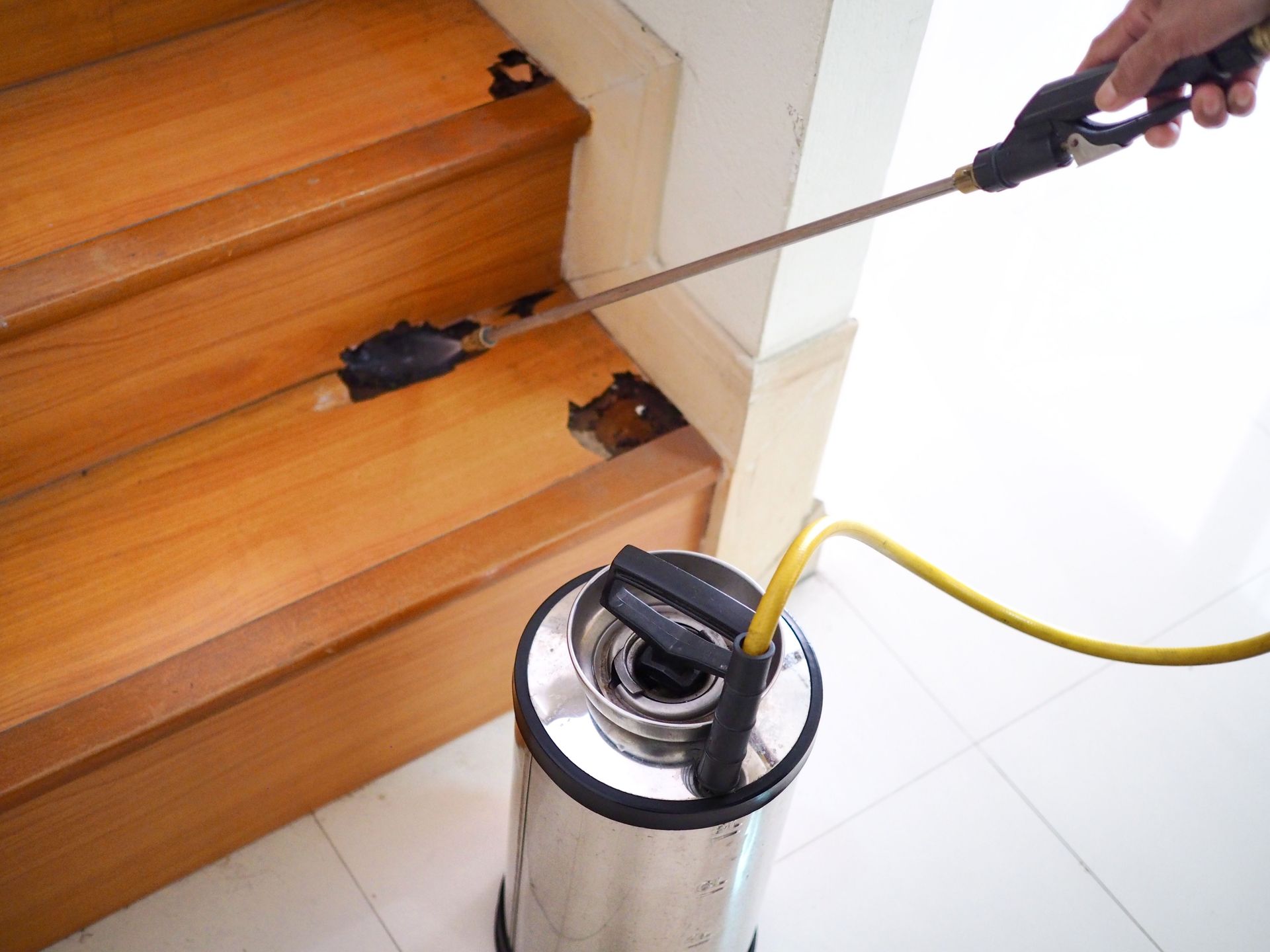
Professional treatments for wooden structures may involve termiticides, heat treatments, or foam applications designed to penetrate wood fibers. Spot treatments address localized infestations while preserving unaffected areas. Long-term service plans ensure recurring inspections and help prevent reinfestation by identifying early activity before damage escalates.
3. Attics and Roofs
Attics and roofs are attractive to termites because of their wooden frameworks, elevated temperatures, and secluded conditions. Drywood termites are particularly common in these areas since they do not require soil contact. Poor ventilation or roof leaks create moisture pockets that make attics even more hospitable. Because homeowners typically visit attics infrequently, infestations may spread quietly.
Drywood termites thrive in rafters, joists, and stored wooden items. Their colonies grow more slowly than subterranean termites but can persist for years. Moisture-loving species occasionally invade roofs when water damage or leaks occur. Identifying the species involved determines which treatment method will be most effective.
Signs of attic termite activity include droppings resembling pellets, blistered wood surfaces, sagging beams, and piles of discarded wings. Hollow or creaking sounds underfoot may signal wood that has been compromised. Because attics contain insulation and storage boxes, termites often have multiple areas to establish colonies.
Preventive strategies include sealing roof gaps, repairing leaks quickly, increasing ventilation, and keeping gutters clear. Avoiding storage of untreated wood or cardboard in attics reduces potential feeding sources. Replacing damaged roofing materials with treated options further limits vulnerability. Many homeowners include attic checks during yearly home inspections and pair them with safe termite control evaluations for comprehensive prevention.
Managing active infestations involves targeted treatments such as spot applications or termiticides applied to affected rafters. Severe infestations may require structural fumigation to eliminate drywood colonies completely. After treatment, reinforcing weakened beams and addressing moisture issues reduce the chance of reinfestation. Ongoing monitoring ensures continued protection.
4. Gardens and Outdoor Wooden Features
Gardens create environments rich with moisture and organic matter, making them natural habitats for termites. Mulch, soil, decaying plants, and wood chips often provide both food and shelter. Outdoor colonies can expand and spread toward home structures if preventive steps are not taken. This is why garden maintenance is essential in broader termite prevention strategies.
Outdoor wooden features such as decks, patios, fences, and pergolas are especially vulnerable. When wood is untreated or rests directly on soil, termites can access it easily. Weather exposure further weakens wood fibers, making it easier for termites to feed. Routine cleaning, sealing, and staining help preserve these structures and limit attraction.
Biological control methods can support outdoor termite management. Nematodes, ants, and certain bird species naturally prey on termites. While these methods alone may not eliminate colonies, they contribute to environmental balance. Integrating natural predators with safe termite control programs provides stronger, more consistent results.
Homeowners can significantly reduce the likelihood of termite infestations and structural damage. Regular inspections, moisture control, and maintenance of wooden and outdoor features form a strong foundation for prevention. Many professionals also recommend adding periodic evaluations to verify that safe termite control plans remain effective over time. Termites contribute billions in property damage each year, making proactive strategies essential for protecting long-term investments. With greater awareness and consistent attention to potential vulnerabilities, homeowners can catch early warning signs and respond quickly. When paired with safe termite control practices, these efforts help safeguard the home for years to come. Contact our team at Eliminite Termite Services today and get connected with our termite services.