By Barry O'Gorman | December 17, 2025
December 17, 2025
Termites are one of the most destructive pests a homeowner can face, often causing extensive damage before their presence is even noticed. These silent destroyers attack the wooden structures that form the backbone of your home, including beams, joists, flooring, and even outdoor decks. Without proper management, termites can compromise structural integrity, lower property value, and create costly repairs that could have been prevented.
The importance of termite control goes beyond immediate repairs—it's about safeguarding your long-term investment. According to Workwave, termites cause over five billion USD in property damage annually, affecting more than 600,000 homes each year. While the financial and structural risks are significant, there are clear strategies to prevent infestations and mitigate damage. Partnering with a professional termite control company ensures expert guidance, advanced treatment methods, and ongoing protection. This comprehensive guide will walk homeowners through identifying termite risks, implementing preventive measures, leveraging professional services, and integrating termite control into long-term home maintenance.
Identifying Termite Species and Habits
Not all termites behave the same, and recognizing the differences is essential for effective control. Subterranean termites live in soil-based colonies and use mud tubes to access wood. Drywood termites, in contrast, infest dry wood directly and do not require soil contact, often hiding in furniture, beams, or structural elements. Damp wood termites thrive in moist, decaying wood and are usually a sign of underlying moisture problems.
A professional termite control company can accurately identify termite species and determine the most effective eradication methods. Understanding the lifecycle—egg, nymph, and adult—also helps in planning treatment strategies. Queens can live for decades and produce thousands of offspring, while worker termites cause most of the damage. Detecting early signs, such as mud tubes, hollow-sounding wood, frass (termite droppings), discarded wings, or blistered surfaces, is key. Many of these indicators are subtle, making expert inspections invaluable.
Assessing Infestation Risks and Environmental Factors
Certain areas of a home are more vulnerable to termites. Basements, crawl spaces, wooden beams, floors, decks, and fences are common entry points. Environmental conditions—such as warm temperatures, high humidity, and moist soil—encourage termite activity. Even established colonies can survive through winter, making year-round vigilance necessary.
Homeowners should be aware of hidden risks as well. Termite activity can worsen indoor air quality by producing dust and debris. Moisture from termite activity may also contribute to mold growth, creating potential health hazards. By evaluating these risks and environmental factors, a professional termite control company can implement preventive treatments and inspection schedules tailored to your home's specific vulnerabilities.
Evaluating the Consequences of Termite Damage
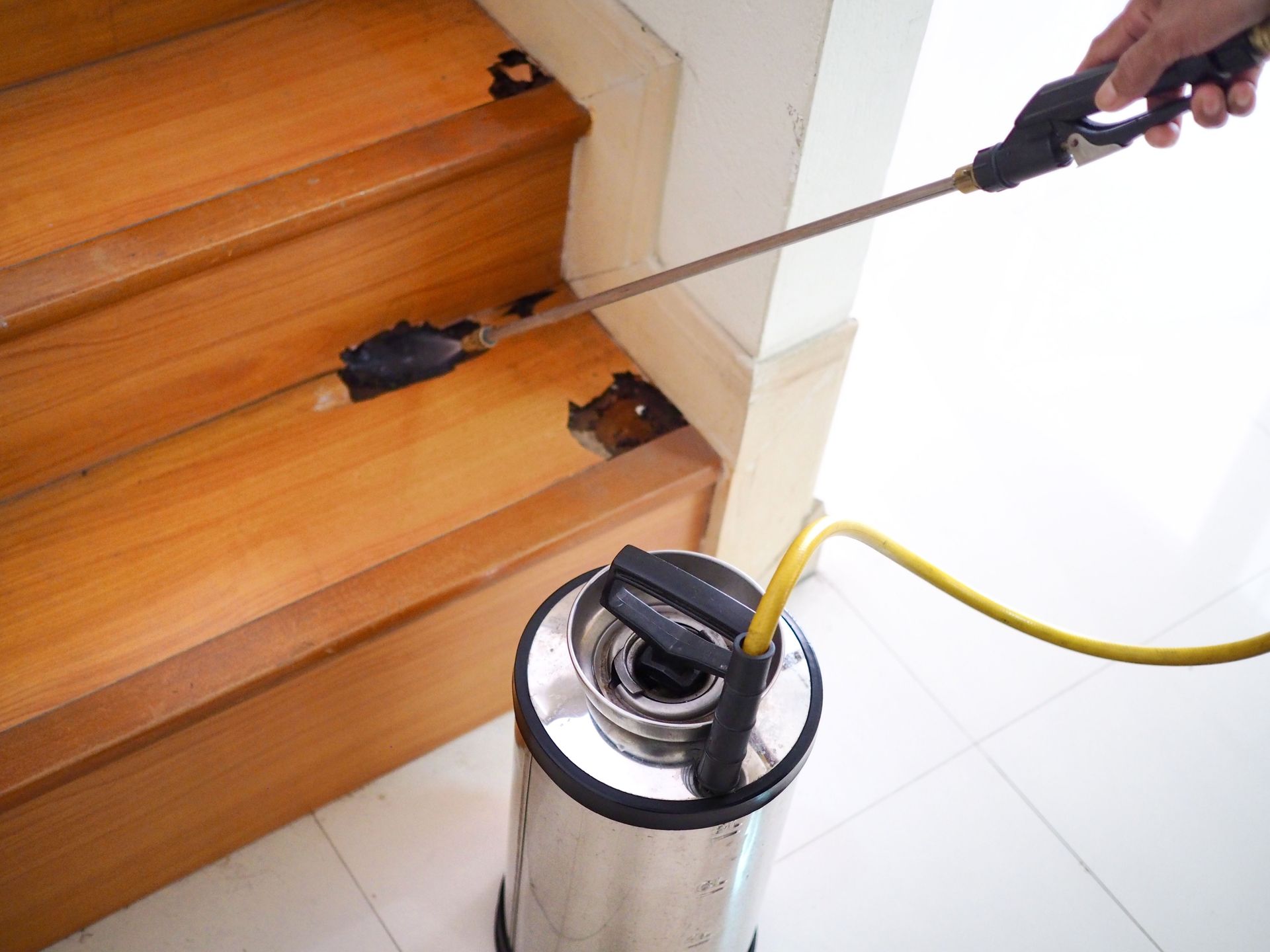
The structural damage caused by termites is often gradual but can be devastating over time. As termites consume wood, they compromise critical components of a home, including beams, joists, floorboards, and supports. This slow destruction can result in sagging floors, bowed or warped walls, uneven ceilings, and in severe cases, partial structural collapse. Because termite activity typically occurs hidden within walls, floors, or other wooden structures, homeowners may remain unaware of the problem until significant damage has already occurred. Even small infestations can weaken key structural elements, making early detection and professional intervention essential for preventing long-term consequences.
Homes with a known history of infestations may be viewed as higher-risk investments by potential buyers. Appraisers may assign lower valuations to properties where termite activity or damage has been reported, and buyers may request additional inspections, treatments, or price reductions before completing a sale. In some cases, undisclosed termite issues can lead to legal or financial disputes.
Implementing Preventive Termite Measures
Preventive measures are the most effective way to protect your home. Regular inspections, ideally twice a year, allow early detection and rapid response. A professional termite control company can identify vulnerabilities that homeowners may overlook and recommend targeted treatment plans.
Proper home maintenance is essential. Repair leaks promptly, maintain adequate ventilation, and use treated wood in vulnerable areas. Clear clutter in attics and basements to eliminate hiding spots, and store firewood away from the foundation to prevent soil contact. Landscaping also affects termite risk, such as ensuring proper grading to divert water, trimming plants away from the home, and minimizing mulch use, which can attract termites. Moisture control is another critical factor. Use dehumidifiers in damp areas, improve crawl space ventilation, and check plumbing for leaks. Vapor barriers in basements and attics can help maintain dry conditions, making your home less inviting to termites.
Leveraging Professional Termite Control Services
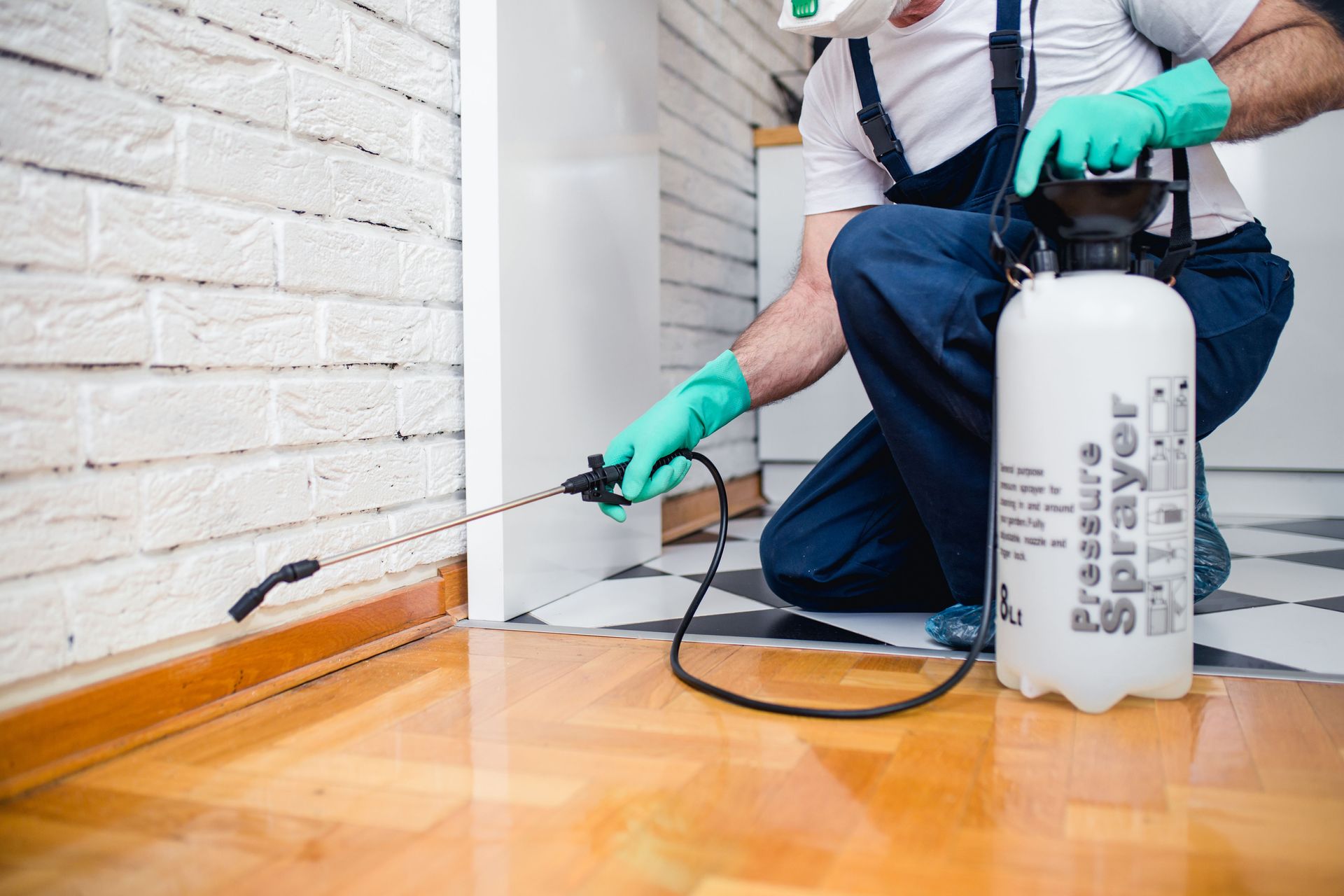
Hiring a professional termite control company provides unmatched expertise, experience, and access to advanced resources that are essential for protecting your home. Experienced technicians have in-depth knowledge of termite behavior, colony dynamics, and the environmental conditions that encourage infestations. This allows them to develop treatment plans tailored to your specific property, addressing both current infestations and potential future threats. Every home is unique, and professionals can assess vulnerabilities in foundation structures, wooden frameworks, and surrounding landscapes to implement strategies that are highly effective and long-lasting.
Professional termite control companies use advanced diagnostic tools to identify hidden termite activity that would otherwise go unnoticed. Thermal imaging cameras can detect heat signatures from active colonies within walls or wooden beams, while moisture meters pinpoint areas with excessive humidity that attract termites. Specialized baiting systems monitor termite movement and provide targeted treatment without disturbing unaffected areas of the home. These tools ensure that interventions are precise and thorough, significantly increasing the likelihood of fully eliminating infestations.
Many professional services also provide guarantees and scheduled follow-up inspections, giving homeowners confidence that infestations are completely resolved and preventive measures remain effective. These follow-ups help catch early signs of renewed activity before it escalates into a more serious problem, maintaining continuous protection for your property.
Selecting a Qualified Termite Control Company
Choosing the right termite control company is critical for effective management. Begin by verifying credentials and certifications to ensure compliance with state regulations and industry standards. Review customer testimonials and ratings to evaluate reliability and service quality.
Assess the company's range of services. Comprehensive providers offer both active infestation treatments and preventive measures, along with ongoing monitoring. Customized treatment plans are essential to address the unique layout, construction materials, and environmental conditions of your home. Transparent pricing and clear contract terms, including follow-up schedules and service guarantees, create trust and ensure you receive the protection you need.
Integrating Termite Control into Long-Term Home Care
Termite management should be an ongoing component of home maintenance. Regular inspections, preventive treatments, and proactive maintenance routines help protect structural integrity and property value. Educating homeowners about termite signs, habits, and preventive strategies encourages timely action and reduces the severity of infestations.
Compliance with local pest control regulations ensures treatments are safe, legal, and environmentally responsible. Homeowners should also adapt termite management strategies to account for changes in weather, temperature, or nearby construction that could influence termite activity. Partnering with a professional termite control company ensures expert guidance, monitoring, and adjustments as needed to maintain year-round protection.
Effective termite control is essential for preserving your home's structure, value, and safety. By identifying termite species and habits, assessing risks, implementing preventive measures, and partnering with a professional
termite control company, homeowners can prevent costly damage and protect their investment. Integrating termite control into long-term home maintenance ensures ongoing protection and peace of mind.
Don't wait for visible damage to appear. Contact Eliminite Termite Services today to safeguard your home, preserve its value, and protect your family from these silent but destructive pests.