By Barry O'Gorman | September 18, 2026
September 18, 2026
Safeguarding a residential or commercial property from subterranean threats requires constant vigilance, structural awareness, and a comprehensive defense strategy. Among the various pests that threaten property owners, wood-destroying organisms pose an exceptionally quiet yet devastating hazard to building foundations, support beams, and interior framing. These hidden invaders operate undetected behind drywall, beneath subflooring, and inside structural timber, consuming cellulose materials without leaving obvious initial warning signs. By the time visual evidence becomes apparent—such as bubbling paint, sagging floors, or discarded wings near window sills—significant structural compromises have often taken hold. Interestingly, public health and pest management research encompasses many different environmental vectors; for instance, According to the CDC, there are more than 200 types of mosquitoes in the United States. While airborne pests cause seasonal discomfort, wood-consuming insects represent a direct, ongoing threat to physical real estate equity and structural safety. Implementing proactive property inspections, moisture regulation protocols, physical barriers, and targeted treatments establishes an unyielding defense perimeter around your living space. Exploring proven structural preservation strategies empowers property managers to protect their financial investments while maintaining a safe, stable environment for occupants. Investing in continuous, professional pest defense preserves physical assets, prevents astronomical structural restoration expenses, and provides long-term peace of mind across every changing season. Understanding site vulnerabilities up front prevents costly structural repairs and ensures a protected living space.
Inspecting Structural Timbers and Identifying Early Infestation Signs
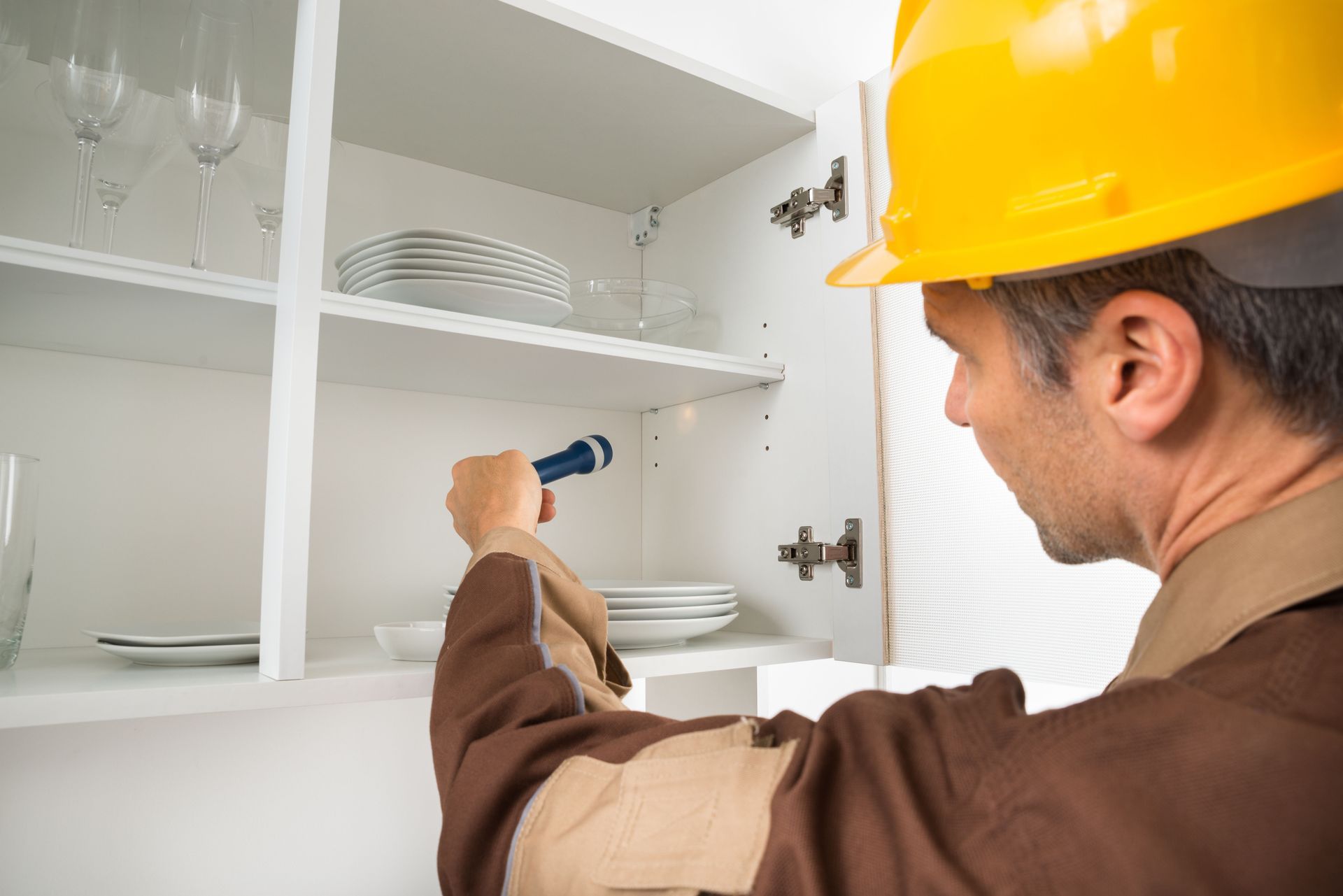
Conducting routine structural evaluations serves as the initial cornerstone of any effective property preservation program. Wood-destroying insects thrive in dark, undisturbed environments, making early detection a critical factor in halting colony progression before major timber destruction occurs. Executing thorough termite control inspections involves examining crawlspaces, basement joists, sill plates, and perimeter foundation walls for subtle warning indicators. Property owners should look for hollow-sounding timber when tapped, frass accumulations resembling sawdust, small mud tubes extending along masonry foundations, and tight-fitting doors or windows caused by wood swelling. Furthermore, identifying seasonal swarmer activity near interior light fixtures or outdoor window frames indicates an active, mature colony nearby. Early diagnostic detection allows property owners to isolate localized activity, apply targeted treatments, and prevent extensive architectural damage throughout the building frame. Multi-point timber evaluations verify that load-bearing studs remain free from moisture and fungal decay. Professional diagnostic testing protects wooden components against premature fatigue.
Regulating Subterranean Moisture and Eliminating Water Accumulation
Managing moisture levels around building foundations represents an essential preventative measure against subterranean insect invasions. Subterranean species require constant moisture to survive, actively seeking out damp soil, leaking plumbing pipes, clogged roof gutters, and poorly drained perimeter flower beds. Integrating proactive termite control protocols requires property owners to repair plumbing leaks promptly, extend downspout extension pipes away from foundation walls, and slope surrounding topsoil away from building perimeters. Furthermore, maintaining proper ventilation across crawlspaces prevents condensation buildup on floor joists, eliminating the damp conditions that attract hungry foraging pests. Installing heavy-duty polyethylene vapor barriers over raw crawlspace dirt floors further reduces ambient humidity and soil moisture evaporation. Eliminating excess water sources deprives foraging colonies of essential hydration, rendering surrounding soil environments inhospitable and significantly lowering infestation risks. Installing subterranean French drains along foundation footings redirects heavy rainwater runoff away from soil zones. Regulating ground moisture protects structural walls and eliminates pest nesting conditions.
Eliminating Wood-to-Ground Contact and Managing Perimeter Landscaping
Removing direct structural wood contact with surrounding topsoil removes the primary bridge utilized by foraging subterranean colonies to enter building frames. When wooden siding, door frames, porch steps, or deck posts touch raw soil directly, subterranean insects gain immediate, unhindered access to internal building timber. Executing comprehensive termite control strategies demands maintaining a clean clearance zone between raw ground soil and the bottom edge of exterior building siding. Property owners should trim dense shrubbery, ground cover vines, and overhanging tree branches away from exterior walls, improving sunlight exposure and airflow along foundation perimeters. Furthermore, replacing organic wood mulch near building foundations with inorganic alternatives like crushed stone, pea gravel, or rubber nuggets prevents pest shelter opportunities. Eliminating direct earth-to-wood pathways blocks primary entry routes, forcing foraging pests to seek shelter elsewhere. Establishing clean gravel clearance strips along building perimeters allows sunlight to dry topsoil layers. Removing direct earth-to-wood pathways blocks primary entry routes and protects exterior siding.
Applying Chemical Soil Barriers and Installing Perimeter Bait Stations
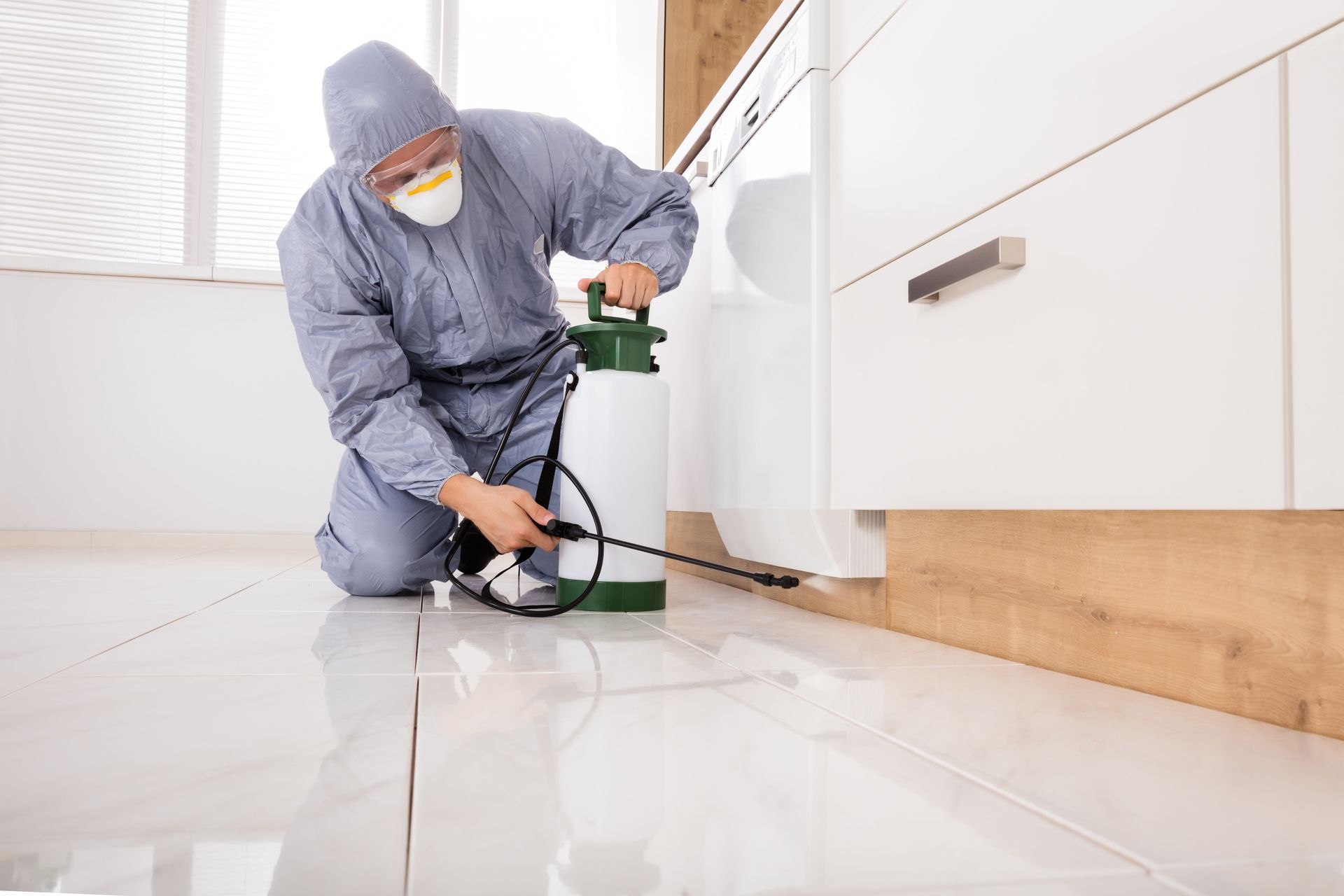
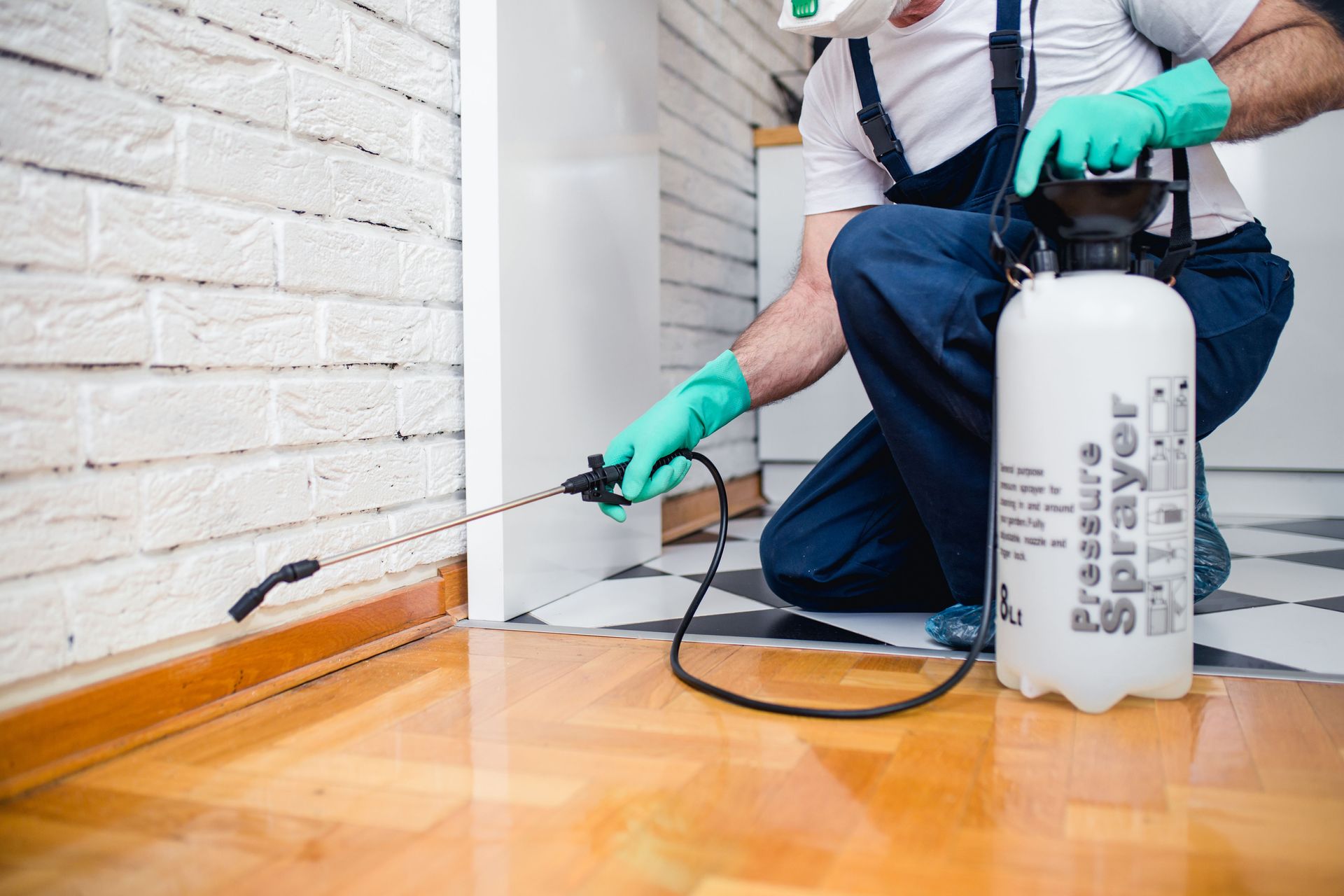
Establishing continuous protective barriers along building foundations provides a proven, highly reliable defense against subterranean colony penetration. Liquid termiticides applied to perimeter trenching create an undetectable treated zone in surrounding soil, neutralizing foraging workers as they attempt to tunnel toward structural timber. Sourcing professional termite control solutions ensures that specialized technicians calculate soil volume accurately, apply liquid barriers evenly, and treat subterranean utility penetrations effectively. Alternatively, installing monitoring bait stations around building perimeters offers a highly targeted, eco-conscious approach that disrupts colony growth at the source. Foraging workers ingest slow-acting growth regulators from bait stations and carry the active compound back to subterranean nests, eliminating reproductive queens and entire worker populations over time. Combining perimeter liquid barriers with strategic baiting technology ensures multi-layered, long-lasting property protection. Specialized depth-monitoring tools ensure that liquid termiticides penetrate soil layers evenly around footings. Precision chemical soil treatment creates a defensive barrier against foraging colonies.
Utilizing Pressure-Treated Lumber and Installing Physical Barriers
Incorporating insect-resistant building materials during fresh construction, structural additions, or home renovation projects offers long-term built-in defense against wood-destroying pests. Pressure-treated lumber infused with preservative chemical compounds resists insect consumption and fungal decay, making it ideal for sill plates, deck support posts, and subflooring joists. Sourcing durable termite control products involves installing physical stainless-steel mesh screens, basalt particle barriers, and specialized flashing membranes beneath concrete foundation slabs and wall sill joints during initial construction. These physical barriers prevent subterranean pests from squeezing through microscopic concrete expansion cracks or masonry gaps. Furthermore, treating raw structural framing with borate mineral sprays creates a permanent protective layer that repels cellulose-consuming pests for the entire operational lifespan of the timber. Investing in resistant building materials builds permanent structural immunity directly into your property. Applying borate mineral treatments directly to wood framing builds structural immunity into internal wall cavities. Installing physical mesh barriers beneath concrete slabs shields expansion joints.
Protecting a residential or commercial property from subterranean structural damage demands a multi-faceted approach encompassing routine inspections, moisture management, physical barrier maintenance, chemical soil treatment, resistant building material selection, and ongoing professional oversight. Identifying subtle warning indicators, eliminating direct soil-to-wood contacts, controlling perimeter water accumulation, applying targeted soil barriers, and utilizing pressure-treated timber establish an unyielding defense perimeter around your valuable real estate asset. Addressing minor structural vulnerabilities promptly prevents devastating timber consumption, protects indoor air quality, preserves property resale value, and eliminates astronomical emergency restoration expenses. Partnering with dedicated pest management specialists transforms complex structural preservation into an organized, stress-free routine tailored for maximum long-term efficacy. Investing time and resources into continuous structural defense safeguards physical real estate equity, protects occupant safety, and secures your living environment across every season. Proactive planning ensures lasting structural resilience and total peace of mind for property owners. Proactive planning guarantees success.
At Eliminite Termite Services, our dedicated team brings deep structural expertise, advanced diagnostic equipment, and an unwavering commitment to quality on every property we defend, ensuring your building achieves complete structural protection, long-term safety, and unyielding defense against hidden wood-destroying pests. Contact us today or visit our local office to schedule your comprehensive property evaluation and discover the lasting benefits of working with trusted structural preservation professionals.