By Barry O'Gorman | August 19, 2026
August 19, 2026
Termite infestations pose a significant threat to structures, often without homeowners realizing the extent of the damage until it becomes severe. Timely identification and treatment are crucial, which is why employing professional termite control services is highly recommended. Qualified experts use a combination of traditional and advanced methods to effectively discover and address termite issues before they cause irreparable harm. Comprehending how a termite control company identifies termite issues helps homeowners appreciate the value of professional services.
Termite Behavior and Habits
Recognizing the type of termite is essential for implementing effective control strategies. According to This Old House, there are over 2,000 species of termites, but the most common types invading homes are drywood, dampwood, and subterranean termites. Each of these species is characterized by different nesting and feeding habits, which affect the approaches used for identification and control. Subterranean termites, for example, build extensive underground colonies and create mud tubes to access above-ground food sources. Drywood termites, on the other hand, infest wood directly, creating tell-tale signs such as termite droppings known as frass.
Subterranean termites are often considered the most destructive, as they live in large colonies that can number in the thousands. These colonies are often hidden underground, making them difficult to detect without professional expertise. Subterranean termites primarily build their nests in soil and require contact with moisture, explaining why they construct protective mud tubes to reach above-ground wood. Understanding these habits is essential for identifying their presence early. Drywood and dampwood termites prefer wood with different moisture content and usually inhabit attic spaces or moist wood near water sources.
The life cycle of termites significantly impacts their behavior, reproduction rates, and infestation potential. Termites begin life as eggs, from which they hatch into larvae before maturing into one of three roles within the colony: workers, soldiers, or reproductive swarmers. The complexity of their social structure allows the colony to function efficiently, with workers responsible for feeding the population by consuming cellulose-based materials. This extensive consumption is what often leads to severe structural damage to properties.
As termites develop, their needs and behaviors change, posing ongoing threats to structures if left unchecked. Swarmers, the reproductive caste, emerge in large numbers during mating season to establish new colonies. This results in an expansion of infestation risks and challenges for homeowners. Understanding the life cycle stages allows a professional termite control company to detect early signs of infestations, particularly during swarming seasons when the potential for colonization increases.
Termites are known for their ability to break down cellulose-based materials, which forms the basis of their diet. This attribute makes them a significant threat to properties as they can consume wood, paper, insulation, and even some fabrics. By understanding termite feeding patterns, professionals can better identify areas of potential risk and tailor their detection methods accordingly. Engineering an inspection strategy involves recognizing the subtle signs of termite feeding, such as hollow-sounding wood or visible tunnels just beneath the surface.
The destruction caused by termites is primarily due to their unrelenting quest for food. This quest means termites do not stop feeding at a single location, instead tunneling through wood and other fibrous material to sustain the colony. Their feeding habits lead to the creation of space within structural components, compromising their integrity over time. Spottable signs of feeding include tiny tunnels in wood components or damaged drywall with a network pattern indicating unseen activity.
Preliminary Inspection Techniques
A visual inspection forms the cornerstone of termite identification efforts, allowing a professional termite control company to directly observe signs of termite presence. Inspectors systematically survey both the interior and exterior of a property, seeking potential indicators such as discolored wood, bubbling paint, or mud tubes. This visual review extends to foundation areas, support beams, attic spaces, and other susceptible locations to ensure comprehensive coverage. Observations made during these inspections provide valuable data that guides further investigation and treatment efforts.
During a visual inspection, areas prone to moisture accumulation or those with existing structural vulnerability receive special attention. Inspectors utilize experience-based insights to target their reviews, easing the identification of frequently concealed infestations. These tactics enhance their capability to identify infestations in their early stages, allowing for timely intervention and remediation. Aided by their expertise, visual inspections serve as the first line of defense in uncovering what might otherwise go unnoticed.
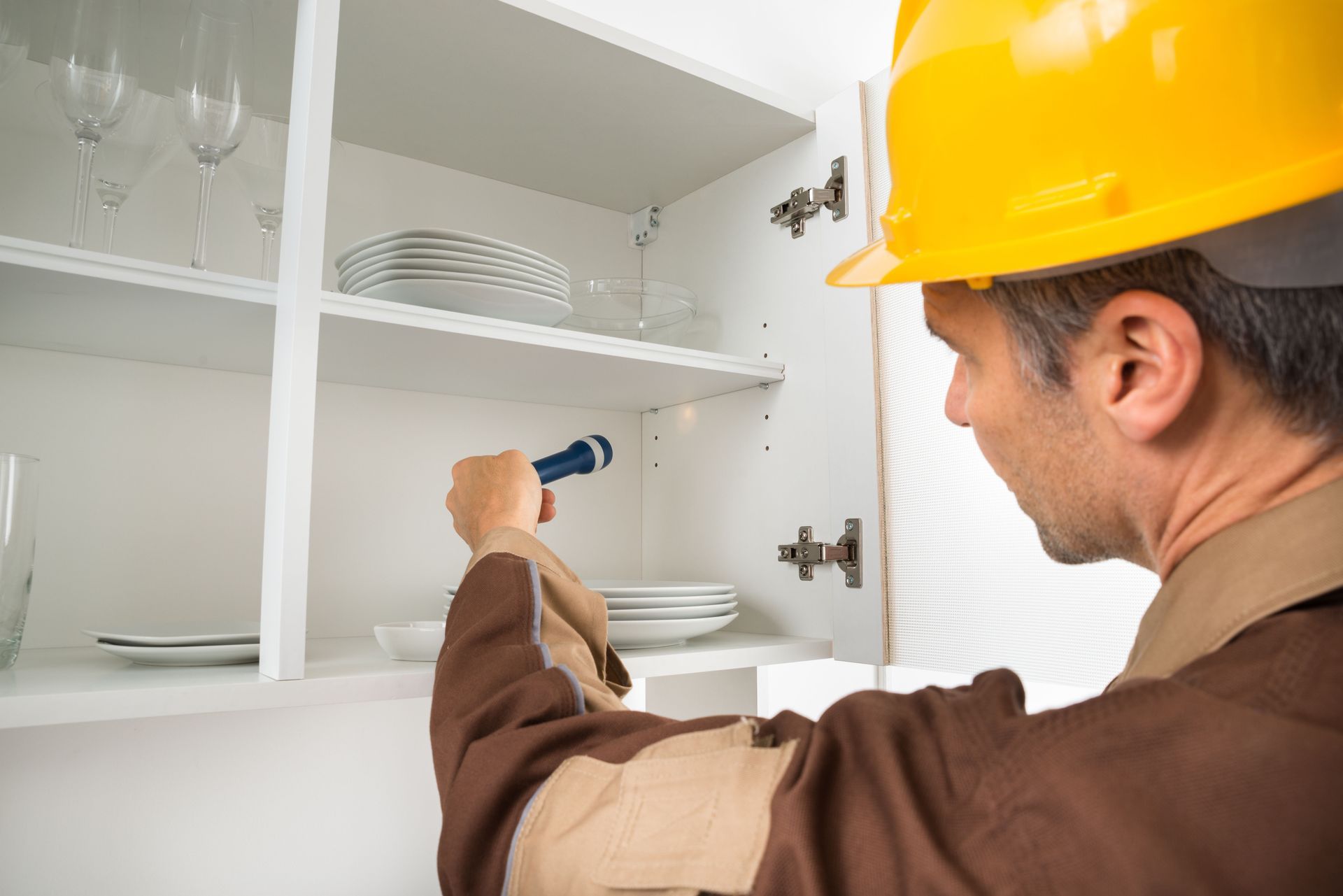
To augment visual inspection capabilities, termite control professionals often employ flashlights and specialized tools designed to enhance visibility. Flashlights, in particular, are instrumental in illuminating dark voids and concealed spaces where termites may hide. By casting light into hidden corners, experts can identify subtle entry points or termite tracks not visible in normal lighting conditions. These tools act as essential aids in a comprehensive examination of a property's key risk areas.
Additional inspection devices, such as moisture meters or borescopes, provide enhancements to visual assessments. Moisture meters can indicate areas of elevated moisture levels, vital in predicting termite attraction and activity. Borescopes, on the other hand, can be inserted into wall spaces or cavities, offering a glimpse into otherwise inaccessible spots. These tools supplement the inspector's skill set, allowing for a more thorough and nuanced evaluation of termite threats across designated areas.
Mud tubes serve as a distinctive indicator of subterranean termite activity. These narrow, earthen tunnels are constructed by termites to create safe passages between their underground nests and food sources above ground. Detecting these tubes during an inspection enables professionals to confine infestations to known parameters, effectively targeting preventive efforts. Surfaces such as foundation walls, crawl spaces, and basement ceilings are typical examination spots for mud tubes.
Advanced Detection Technologies
Advanced detection methods such as thermal imaging provide significant advantages in identifying termite activity. Thermal cameras detect heat variations within structures, enabling the discovery of areas potentially harboring termite colonies. Differences in heat emissions can pinpoint nesting sites, as termites generate subtle heat while consuming wood. This technology proves invaluable in examining inaccessible or hidden sections of a building where traditional inspection methods might falter.
By transforming visual data into infrared representations, thermal imaging devices create detailed temperature maps. These maps provide visual cues to inspectors, revealing inconsistencies indicative of internal activity beneath a surface. Typical scanning areas include sub-floors, interior walls, and attic spaces where termite infestations are suspected. Interpretation of thermal data requires professional expertise, allowing accurate identification of affected zones while minimizing disruption to building occupants.
The integration of thermal imaging into termite detection extends a company’s capability to diagnose and respond to infestations effectively. Real-time imagery serves both as documentation and confirmation, allowing for prompt decision-making in terms of treatment or additional inspection needs. While serving as an indirect detection method, this non-invasive approach minimizes structural disturbances while delivering precise insights. Thus, thermal imaging continues to revolutionize how termite control professionals uncover and address hidden threats.
Moisture meters allow inspectors to gauge moisture levels within building materials and identify areas conducive to termite habitation. Since many termites require high humidity levels, elevated readings highlight potential trouble spots needing remediation. Moisture meters detect inconsistencies at depth, offering vital clues about hidden conditions that encourage termite survival and colony expansion. By understanding environmental moisture variations, professionals enhance their ability to update and refine inspection patterns.
During inspections, areas such as basements, bathrooms, kitchens, and perimeter walls are frequently evaluated for moisture anomalies. In particular, moisture-prone zones undergo thorough reviews to establish baselines for later comparison against active moisture metrics. Identifying ongoing moisture issues may point to plumbing failures, poor drainage, or inadequate ventilation, all of which must be rectified to discourage termite attraction. Focusing on these elements helps professionals plan effective long-term infestation control measures.
Professional termite inspections combine knowledge of termite behavior with visual assessments and specialized detection tools to uncover signs of activity that may otherwise remain hidden. From identifying mud tubes and moisture concerns to using thermal imaging and moisture meters, termite control professionals can evaluate potential problem areas and determine appropriate next steps. Early detection can help homeowners address infestations before termite activity causes more extensive structural damage, making regular inspections an important part of protecting a property. For a
termite control company you can rely on, contact Eliminite Termite Services today.