By Barry O'Gorman | June 16, 2026
June 16, 2026
Finding small piles of what looks like sawdust around your home can be unsettling, especially when you’re not sure where it’s coming from. In many cases, what people assume is sawdust turns out to be something more concerning: termite frass. Understanding the difference matters because it often signals whether there’s hidden termite activity nearby. That’s where termite services become important, helping identify the source of the material and what it means for the structure. Termite activity isn’t always obvious at first glance, and these small clues can be easy to overlook. Knowing what to look for can help you better understand what’s happening behind walls, floors, or wooden structures before the situation develops further.
1. Understanding What Termite Frass Actually Is
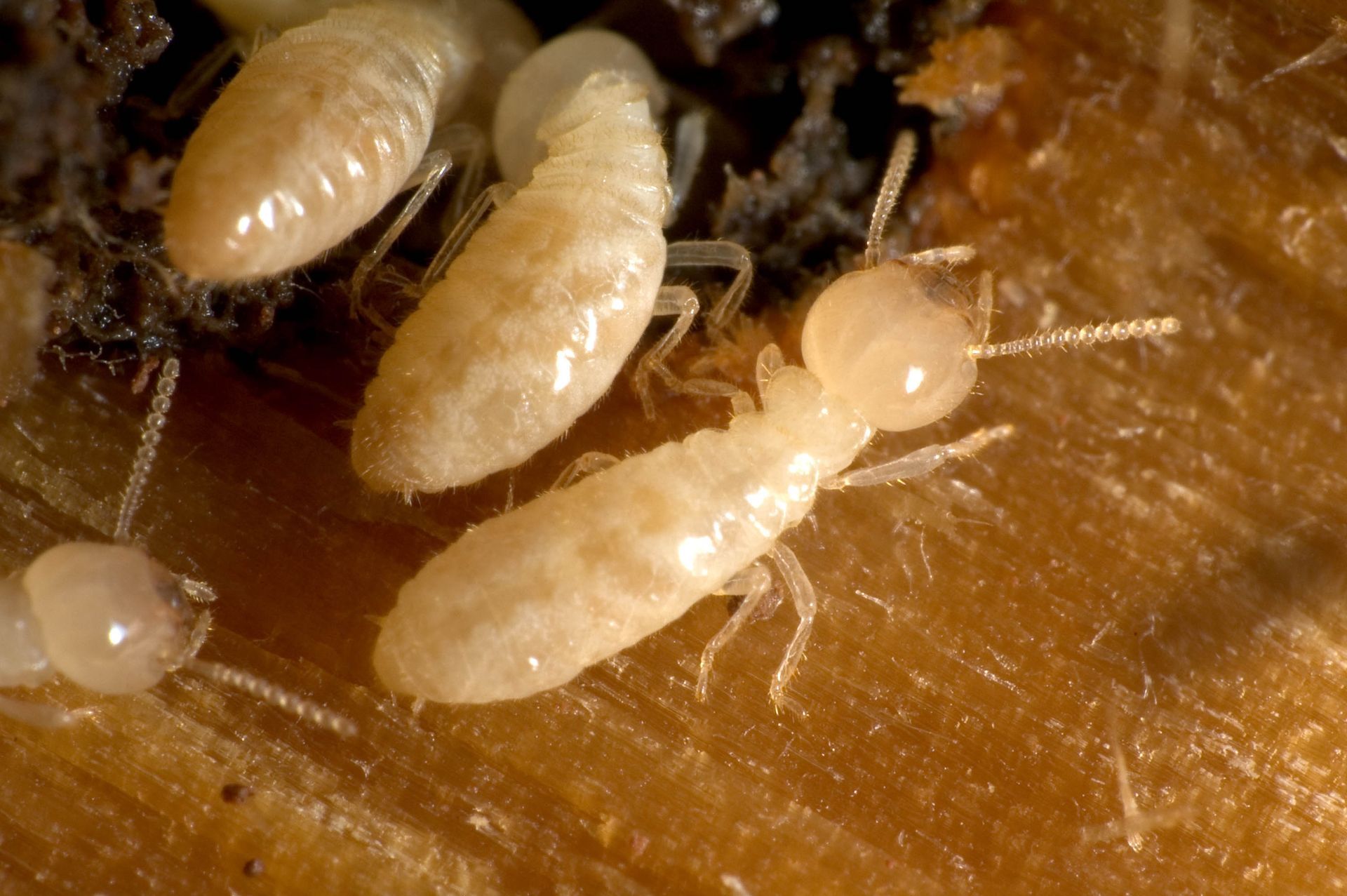
Termite frass is essentially the waste material left behind by certain types of termites, particularly drywood termites. It often resembles tiny pellets that can be mistaken for sawdust or sand. Termite services are often called in when these small piles begin appearing in unusual places around a structure. The presence of frass can indicate that termites are actively feeding on wood nearby. Unlike random debris, frass is typically pushed out of small exit holes created by the insects. Recognizing this distinction is an important part of identifying early termite activity.
2. How Sawdust Differs From Termite Droppings
At first glance, sawdust and termite droppings can look surprisingly similar. However, sawdust is usually associated with human activity, such as construction or woodworking. Termite services often help distinguish between the two by examining the texture and placement of the material. Sawdust tends to be more irregular, while frass often appears as uniform pellets. The location of the material also matters, as frass is commonly found in small piles near entry points created by termites. Understanding these differences helps narrow down the cause more effectively. Consistent reappearance of the same type of debris in one area can also be a key indicator that further investigation is needed.
3. What is the Role of Drywood Termites in Frass Production
Drywood termites are one of the primary sources of visible termite droppings inside structures. Unlike subterranean termites, they live directly inside the wood they consume. Termite services frequently deal with drywood termite infestations because they can remain hidden for long periods. As these termites tunnel through wood, they push frass out through small openings. This behavior creates noticeable piles over time, even when the infestation is not immediately visible. Recognizing their activity early can help prevent more extensive damage.
4. Areas of the Common Locations Where Frass Appears
Termite droppings are often found in areas that don’t see frequent disturbance. Window sills, baseboards, attic spaces, and wooden trim are common spots where frass may accumulate. Termite services often investigate these areas when homeowners notice unusual debris. The placement of frass can provide clues about where termites are actively feeding within the structure. Because termites prefer hidden environments, these visible signs are often one of the first indicators of their presence. Paying attention to where the material appears can be very revealing. The direction and concentration of buildup can also help indicate how far the activity may have spread within the structure.
5. What are the Texture and Shape Clues That Help Identification
One of the easiest ways to differentiate frass from sawdust is by examining its shape and texture. Termite droppings are typically small, oval-shaped pellets with a somewhat uniform appearance. Termite services rely on these physical characteristics to confirm termite activity. Sawdust, on the other hand, tends to be irregular and flaky. The consistency of frass makes it easier to identify once you know what to look for. These subtle differences are often the key to early detection. The way the material clusters or spreads can also provide additional clues about whether it is biological in origin or simply leftover debris. Over time, repeated observation of these patterns can make identification more straightforward.
6. How Does Termite Activity Create Visible Signs
Termites are constantly feeding on wood, which means they are continuously producing waste. As they tunnel through structures, they create small openings to push out frass. Termite services often look for these exit points during inspections. Over time, repeated activity leads to small piles forming in predictable areas. This process can continue unnoticed for quite some time, depending on the location of the infestation. The visible buildup is often a late-stage clue that activity has been ongoing. In many cases, these exit points are so small that they go unnoticed until surrounding debris begins to accumulate. This is why subtle surface changes in wood should always be taken seriously.
7. Why Frass Can Be Easy to Overlook
Because frass resembles common household debris, it is often ignored or mistaken for dust buildup. Termite services frequently encounter situations where early warning signs were overlooked. The small size of the pellets makes them easy to dismiss, especially in low-traffic areas. However, consistent reappearance in the same spot is usually a sign of something more active. Recognizing patterns in where and how often the material appears is often more important than the material itself. This is why regular awareness of subtle changes can make a difference.
8. How Environmental Factors Influence Termite Behavior
Temperature, humidity, and wood condition all play a role in termite activity. Termite services often assess these conditions to understand why infestations develop in certain areas. Dry, undisturbed wood can create ideal environments for drywood termites. Once established, they continue producing frass as they consume the material. According to Intelmarketresearch.com, the market is projected to grow from USD 12.6 million in 2026 to USD 662 million by 2034, reflecting increasing demand for solutions related to termite activity and prevention. Environmental conditions remain a key factor in how and where termites spread.
9. Why Professional Identification Matters
Misidentifying sawdust as frass or vice versa can lead to confusion about what’s happening inside a structure. Termite services help provide clarity by analyzing the material and identifying its source. Without proper identification, it can be difficult to understand the severity of the situation. Professionals look beyond surface appearance and consider structural context as well. This helps ensure that any underlying issues are accurately understood. Correct identification is an important step in addressing potential termite activity effectively.
10. Long-Term Impact of Ignored Termite Activity
When termite activity goes unnoticed, the damage can gradually become more extensive. Frass is often one of the earliest visible indicators that something is happening inside the wood. Termite services often find that delayed detection leads to more complicated structural concerns. Over time, continued feeding weakens wooden components and affects overall stability. Recognizing early signs helps prevent the situation from developing further. Staying aware of subtle changes in wood debris can make a meaningful difference in long-term maintenance.
Distinguishing between sawdust and termite frass is an important step in understanding what may be happening within a structure. While they can look similar at first glance, their differences in shape, texture, and placement often tell a clearer story. Termite services play a key role in confirming these signs and helping property owners understand the situation more accurately. With early awareness and proper identification, it becomes easier to address potential termite activity before it develops further. Recognizing the small details can ultimately help protect the integrity of a structure over time.
If you’re noticing unusual debris or suspect termite activity, Eliminite Termite Services can help evaluate the situation and provide clarity on what’s going on.