By Barry O'Gorman | June 17, 2026
June 17, 2026
A property can look solid on the outside while hidden termite activity slowly affects the wood, framing, flooring, or structural materials inside. Termites are especially concerning because they often work quietly and out of sight, giving homeowners little warning until the damage becomes more visible. By the time signs appear, the problem may already require more than a simple repair.
Year-round termite control helps property owners stay ahead of these risks instead of reacting after damage spreads. Since termite activity can continue in different conditions and may not follow the same timeline as other pests, prevention and routine inspection are important parts of responsible property care. With the right approach, property owners can reduce the chance of costly damage, protect important structural areas, and feel confident about the condition of their home or building.
Protecting Structural Materials
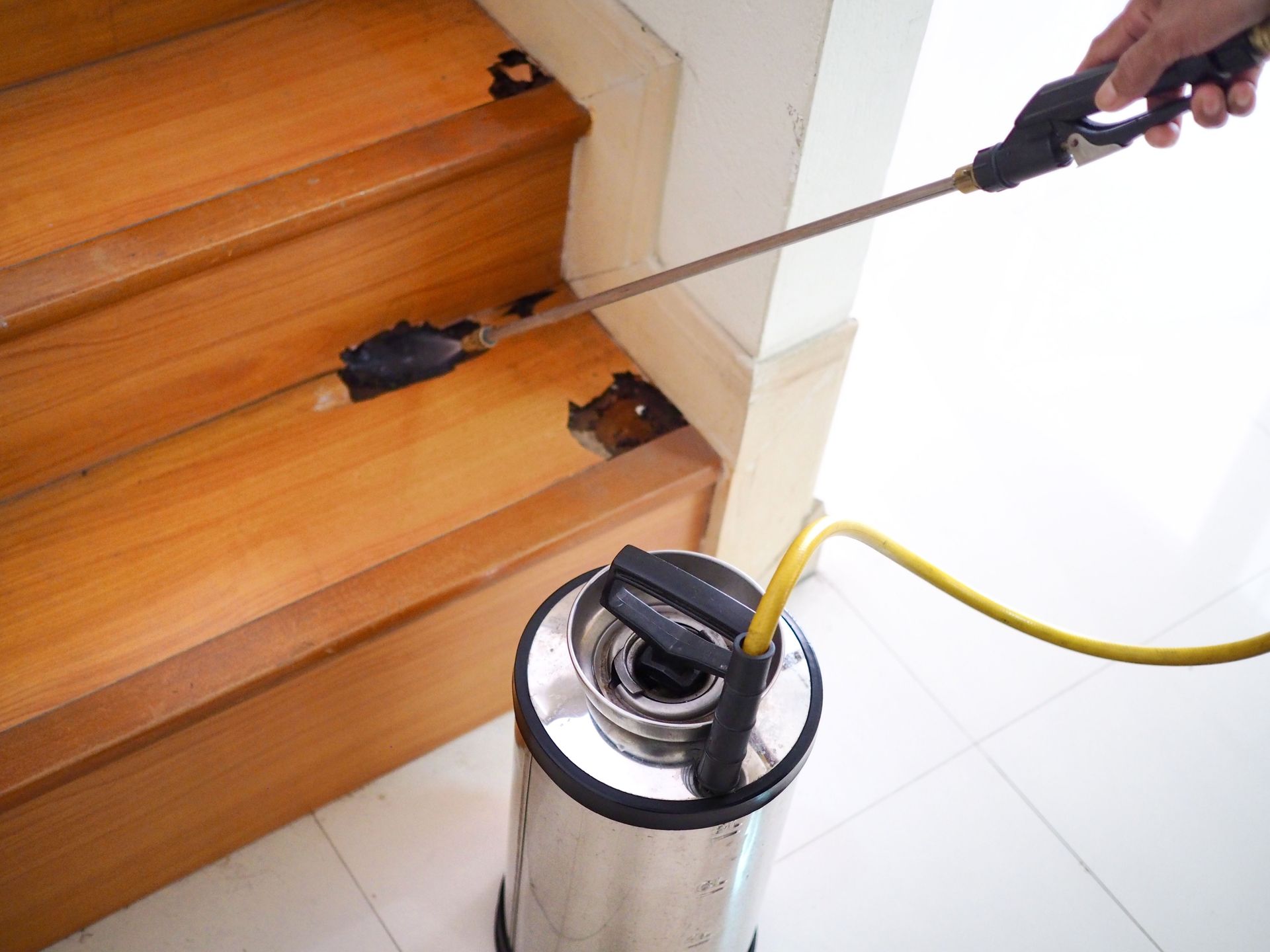
Termites feed on cellulose, which is found in many materials used throughout a property. Wood framing, subflooring, trim, cabinets, beams, and other components can all become vulnerable when termites have access to moisture, soil contact, or hidden entry points. Because many of these materials sit behind walls or beneath flooring, termite damage can develop before anyone notices a clear warning sign.
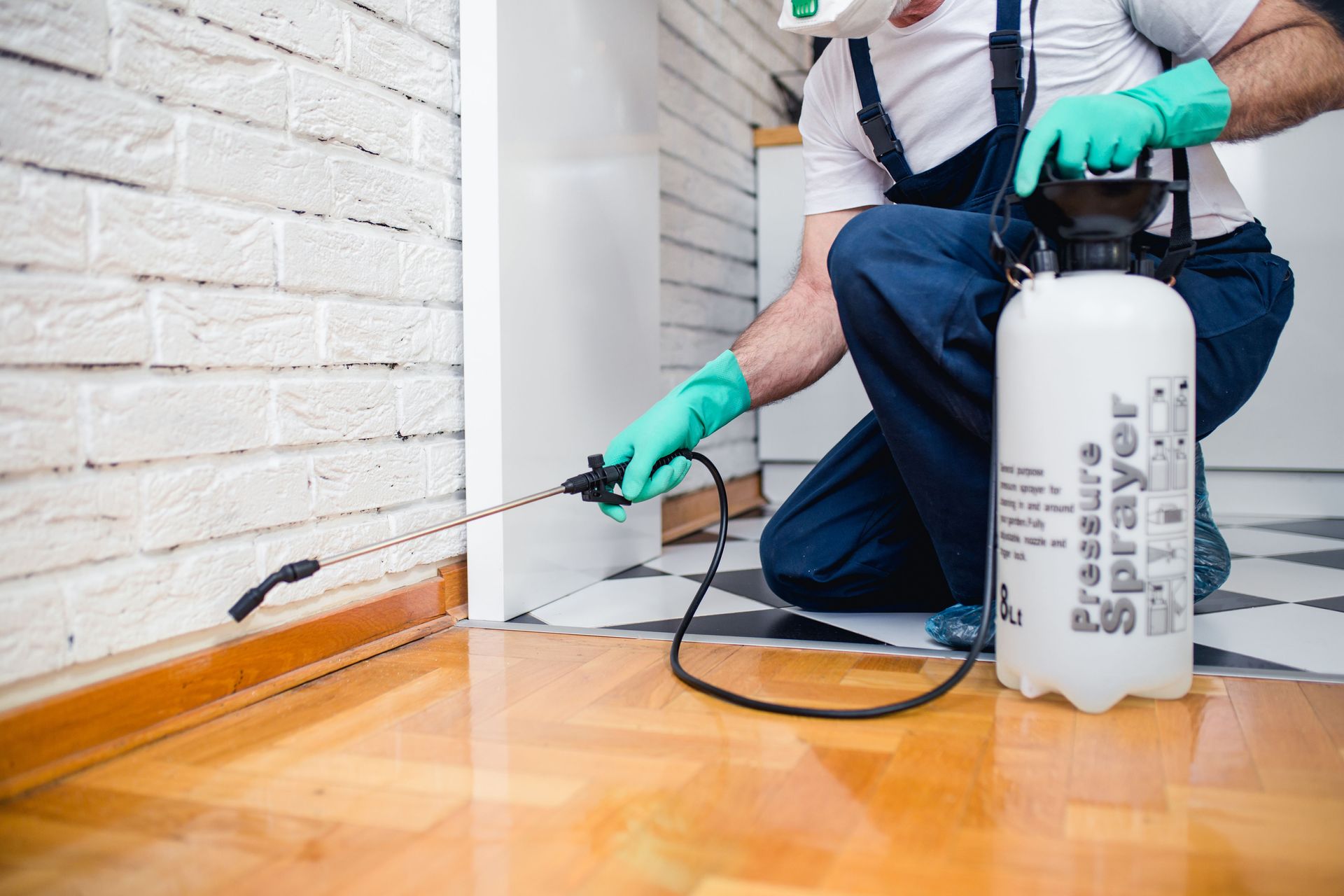
Professional termite control is important because it focuses on the areas where activity is most likely to begin. A trained inspection can look for mud tubes, damaged wood, moisture issues, discarded wings, and other signs that may be easy to overlook. When these concerns are found early, treatment can help stop the activity before termites move deeper into the structure.
Protecting structural materials is also about preserving the long-term stability of the property. Small areas of damage may seem manageable at first, but termites can continue feeding as the colony grows. Addressing the issue early helps reduce the chance that repairs will become more extensive.
Reducing Expensive Repairs
Termite damage can become expensive because it often affects areas that are difficult to reach, inspect, or replace. A damaged baseboard may be simple to remove, but compromised framing, support beams, or subflooring can require more involved repairs. When termites spread through hidden spaces, property owners may also need to correct moisture problems or replace materials that allowed the activity to continue.
According to Businesswire.com, termites are responsible for an estimated $5 billion in property damage and treatment costs in the U.S. each year. That figure highlights why termite control should not be treated as an occasional concern. Ongoing prevention and early response can help property owners avoid some of the financial stress that comes with widespread damage.
Routine service also supports better planning. Instead of discovering a severe issue during a renovation, sale, or emergency repair, property owners can monitor conditions over time. This makes it easier to make informed decisions about treatment, maintenance, and repairs before the situation becomes more disruptive.
Identifying Hidden Warning Signs
One of the most difficult parts of termite protection is that the signs are not always obvious. Termites may enter through small cracks, crawl spaces, foundation gaps, or areas where wood touches soil. Inside the property, they may stay behind drywall, under flooring, or within damp wood. Because of this, a property can seem normal even while termites are active.
Termite control often begins with knowing what to look for. Mud tubes near the foundation, hollow-sounding wood, bubbling paint, soft flooring, frass, or swarming termites may all point to a possible problem. However, some warning signs can be confused with water damage, age-related wear, or ordinary settling.
A professional inspection helps separate normal property concerns from termite-related activity. This is especially valuable for older buildings, homes with crawl spaces, properties with previous moisture issues, and structures near wooded areas. Identifying hidden warning signs early can make treatment more targeted and reduce unnecessary guesswork.
Supporting Year-Round Prevention
Many property owners think about termites only during warmer months, but termite control is a year-round concern. Colonies can remain active in protected areas, and indoor conditions may allow termites to continue feeding even when outdoor temperatures change. Moisture, wood-to-ground contact, and foundation access points can create conditions that support termite activity during more than one season.
Year-round prevention includes both treatment and property maintenance. Clearing wood debris from the foundation, managing drainage, repairing leaks, improving ventilation, and reducing excess moisture can all make the property less inviting to termites. These steps work well alongside professional inspections and treatment plans.
Consistent prevention also helps property owners avoid gaps in protection. A one-time response may address current activity, but it may not solve the conditions that attracted termites in the first place. Ongoing termite control focuses on both existing concerns and future risks, making it a more complete approach to property protection.
Preserving Property Value
A property is a major investment, and termite damage can affect more than the materials inside the walls. It can also influence resale value, buyer confidence, inspection results, insurance conversations, and renovation plans. Even when damage is repaired, documented termite history may raise questions if the property has not been properly treated and monitored.
Termite control helps support property value by showing that prevention and maintenance are being taken seriously. Regular inspections can provide helpful documentation, especially for homeowners who may sell in the future. If activity is found, prompt treatment can show that the issue was addressed rather than ignored.
For commercial properties, termite prevention can also support business continuity. Damage to flooring, walls, storage areas, or structural components can interrupt operations and create repair expenses. A proactive plan helps reduce the chance of unexpected disruptions while protecting the building as a working asset.
Creating a Long-Term Treatment Plan
Effective termite protection is not always the same for every property. The right plan may depend on the building’s age, construction style, foundation type, surrounding landscape, moisture conditions, and history of pest activity. A property with a crawl space may have different risks than one built on a slab. A wooded lot may require different attention than a property in a more open area.
That is why professional termite control often includes inspection, treatment, monitoring, and maintenance recommendations. Treatment may target active colonies, create barriers, or use monitoring systems to detect future activity. The goal is not only to respond to termites but also to create a plan that fits the property’s ongoing needs.
A long-term treatment plan also gives property owners a clear path forward. Instead of wondering whether old damage is still active or whether new activity has developed, they can rely on scheduled inspections and informed recommendations. That consistency makes termite protection easier to manage throughout the year.
Maintaining Peace of Mind
Property protection is easier when owners know potential problems are being watched closely. Termites can create anxiety because the damage is often hidden, but routine termite control can reduce uncertainty. A clear inspection and treatment process helps property owners understand what is happening, what needs attention, and what steps can help prevent future concerns.
Peace of mind also comes from knowing that small signs will not be ignored. When a professional checks vulnerable areas and explains the findings, property owners can take action with more confidence. This matters for homeowners protecting a family residence and for business owners maintaining a safe, functional property.
Termite prevention is ultimately about consistency. When inspections, treatments, and maintenance steps work together, properties are better protected through changing seasons and changing conditions. Call Eliminite Termite Services today to schedule your termite inspection or treatment service.